
Manhwa vs Manhua: Key Differences Every Webtoon Fan Should Know
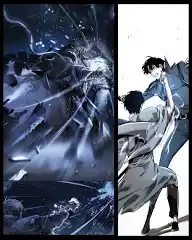
Manhwa vs. Manhua vs. Manga: The Ultimate Digital Storytelling Breakdown
The primary difference in the manhwa vs manhua debate comes down to origin, format, and storytelling philosophy: manhwa refers to comics made in South Korea, usually published as full-color, vertical-scrolling webtoons; while manhua refers to comics produced in China, Taiwan, or Hong Kong, heavily steeped in cultivation and historical fantasy. Manga, by contrast, originates in Japan and relies on black-and-white, right-to-left print layouts.
For serial readers browsing comic apps, knowing these distinctions saves dozens of wasted chapters. Each medium brings its own cultural pacing, character archetypes, and narrative structures. Understanding how a Korean manhwa approaches power progression compared to a Chinese graphic novel completely shifts your reading experience.
Key Takeaways
- Manhwa originates in South Korea, using full-color vertical strips optimized for mobile webtoon platforms.
- Manhua comes from China, Taiwan, and Hong Kong, frequently adapting web novel epics centered on xianxia and wuxia martial art systems.
- Manga represents the traditional Japanese comic industry, driven by right-to-left monochrome print serials.
- Pacing differs dramatically: manhwa favors punchy episodic progression, while manhua leans into long-form, multi-hundred-chapter epic ascents.
Manhwa vs Manhua: The Core Differences at a Glance
When sorting through an East Asian comic catalog, visual presentation and narrative framing reveal the origin immediately. Here is the breakdown comparing how each region structures its serialized stories:
| Feature | Korean Manhwa | Chinese Manhua | Japanese Manga |
|---|---|---|---|
| Country of Origin | South Korea | China, Taiwan, Hong Kong | Japan |
| Reading Direction | Top to bottom (vertical) | Top to bottom or left to right | Right to left |
| Color Format | Full color | Full color | Black and white (monochrome) |
| Dominant Formats | Mobile webtoon apps | Digital apps and print albums | Print magazines, digital tankobon |
| Signature Tropes | Hunter dungeons, system apocalypse, Murim | Xianxia cultivation, wuxia revenge, court intrigue | Shonen tournaments, isekai fantasy, slice of life |
Understanding these mechanical differences explains why a reader hooked on fast-paced Korean dungeon raids might find a Chinese cultivation comic disorienting at first glance.
What Is Manhwa? Origins, Art Styles, and Tropes
The Korean term manhwa historically applied to all print comics in South Korea, but modern usage refers almost exclusively to digital manhwa distributed through dedicated reading portals. The global webtoons market reached $11.53 billion in 2025, supported in part by South Korea committing $240 million in export funding from 2024 to 2027 (Market Research Future, 2026). That massive push established the medium as an international powerhouse.
Platforms popularized by Korean tech giant Naver redefined reading habits through primarily digital vertical scrolling layouts. Instead of turning pages, readers scroll smoothly down an infinite canvas. Korean creators use this vertical space to build tension, dropping dramatic gutters between panels to time an attack or highlight an emotional reaction.
Narratively, modern manhwa draws heavy inspiration from Korean web novel culture. Three dominant sub-genres appear everywhere:
The Hunter and System Sub-Genre
These titles throw a modern protagonist into a world broken by monster gates and magical towers. Blue status windows pop up, tracking stat gains, skill acquisitions, and quest rewards. Pacing moves fast, emphasizing hyper-competence, visual impact, and ruthless efficiency against corrupt guilds.
Murim Lore
Korean martial art epics focus on the Murim, an underworld of martial factions operating outside regular society. Stories center on high-octane swordplay, secret cults, and internal ki refining. The central conflicts contrast the righteous Heavenly factions with unorthodox or demonic sects, delivering kinetic battle choreography.
Otome Isekai and Romance Fantasy
Villainesses wake up inside romance novels, rewinding time to avoid executions or overturn noble conspiracies. These stories feature lush period costumes, sharp dialogue, and intricate court politics.
What Is Manhua? Cultivation, Myth, and Formats
The Chinese word manhua covers graphic works originating from mainland China, Taiwan, and Hong Kong. The market for domestically produced Chinese comics reached an estimated 5.6 billion Chinese yuan in 2022 (Rice University Baker Institute for Public Policy, 2024). Driven by massive domestic web novel portals, Chinese digital comics produce staggering chapter counts that frequently cross several hundred releases.
A traditional ink brush painting aesthetic often influences manhua art, giving backgrounds and magical displays a fluid, cinematic quality. Digital productions employ a vibrant, painterly immortal cultivation style, splashing glowing talismans and elemental dragons across the screen.
While modern releases adopt vertical mobile layouts, historical print traditions from Hong Kong action comics still influence panel construction, packing pages with dense action. Storylines draw heavily from Chinese mythology, Taoist philosophy, and imperial history across several main categories:
Xianxia (Immortal Heroes)
Xianxia features mortal cultivators defying the heavens to achieve godhood. Characters meditate on spiritual meridians, swallow rare alchemical pills, and survive literal lightning strikes during heavenly tribulations. Protagonists face arrogant young masters, slaughter corrupt clans, and ascend to higher realms across centuries of story time.
Wuxia Manhua (Martial Heroes)
Wuxia stays closer to human limits. These stories focus on wandering martial artists bound by codes of honor, family vendettas, and sworn oaths. Action sequences lean on sword intent, pressure-point strikes, and internal breathing rather than cosmic energy blasts.
Modern Rebirth and Urban Cultivation
A common trope drops an ancient immortal's soul back into the body of an underdog teenager in modern Shanghai or Beijing. The hero uses forgotten ancient techniques to protect his family, build financial empires, and punish dismissive social elites.
What Is Manga and How Does It Compare?
The Japanese term manga represents the world's most historically entrenched commercial comic tradition. Unlike manhwa and manhua, which embraced full digital color early, Japanese manga remains committed to black-and-white ink work printed right to left. Serialized weekly or monthly in anthology magazines like Weekly Shonen Jump before moving into collected tankobon volumes, manga treats page turns as structural narrative beats.
The medium relies on screentones, crosshatching, and dramatic perspective lines to convey mood and motion without color. Manga also divides its industry by demographic categories:
- Shonen manga: Action-packed stories aimed at young men, focusing on teamwork, hard training, and personal growth.
- Seinen manga: Darker, complex narratives targeting adult men, exploring psychological horror, gritty warfare, or philosophical themes.
- Shojo manga: Emotional stories directed at young women, showcasing character psychology, romantic tension, and expressive panel borders.
- Josei manga: Grounded romance and drama intended for adult women, handling realistic relationship friction and workplace pressure.
Because a print manga page requires readers to look right to left, the pacing feels distinct from the downward momentum of a manhwa vs manhua reading session. Creators use the bottom-left corner of an odd-numbered page to bait the reader into turning the physical page for a shocking reveal.
Which One Should You Read Next?
Picking between manhwa, manhua, and manga depends entirely on what kind of progression system and visual flavor you crave right now. Match your mood to the strengths of each medium:
Choose Manhwa If You Want Snappy Pacing and High-Octane Action
If you want an underdog protagonist who grinds levels, outsmarts arrogant rankers, and commands shadow armies, manhwa delivers instant gratification. The vertical panel flow keeps fight sequences moving at blistering speeds. Titles like The Breaker, Solo Leveling, and Nano Machine offer cinematic combat and addictive reward loops that respect your reading time.
Choose Manhua If You Want Vast Lore and Cosmic Power Scales
If you enjoy massive world-building, hundreds of chapters to binge, and heroes who wage war against entire celestial pantheons, start reading manhua. The genre rewards patience. Titles like Tales of Demons and Gods, Battle Through the Heavens, or Song of the Long March immerse you in sprawling imperial rivalries, intricate alchemical tiers, and grand mythological warfare.
Choose Manga If You Want Masterful Inking and Subtle Character Arcs
If you appreciate black-and-white panel economy, distinct directorial pacing, and character-driven stakes, manga remains unmatched. Whether you pick up a shonen classic like One Piece, a gritty seinen manga epic like Vinland Saga, or a psychological drama like Monster, the medium offers decades of formal craftsmanship.
Frequently Asked Questions
- Q: What is manhua? A: Manhua is the term for comics created in China, Taiwan, or Hong Kong. These comics feature full-color art, episodic web novel adaptations, and narrative tropes centered on Chinese mythology, wuxia martial art rivalries, and xianxia cultivation quests.
- Q: What is manhwa? A: Manhwa refers to comics produced in South Korea. Modern manhwa is published digitally as full-color, vertical-scrolling webtoons built around gaming systems, dungeon raids, historical romance fantasies, and Murim martial art clans.
- Q: What is manga? A: Manga refers to comics produced in Japan. Manga uses black-and-white inking, reads right to left, and divides its publications into demographic brackets such as shonen, seinen, shojo, and josei.
- Q: Why do manhwa and manhua look so similar? A: Manhwa and manhua share similar digital layouts because both industries shifted their primary distribution to mobile reading platforms. Both rely on full digital color and vertical scrolling, though character names, cultural settings, and mythological rules remain distinct.
- Q: Ready to publish your own comic? A: Publishing your own comic starts with choosing the right format for your story. If you want mobile-first digital reach, build vertical webtoon strips with digital coloring; if you prefer print anthologies, sketch traditional black-and-white page layouts with right-to-left or left-to-right reading flow.
The Takeaway
The choice in the manhwa vs manhua debate comes down to the journey you want to take. Reach for South Korean manhwa when you want razor-sharp mobile art, modern system progression, and fast episodic payoffs; turn to Chinese manhua when you want sweeping mythological epics, multi-realm cultivation lore, and massive chapter archives. Knowing how each tradition builds its world ensures you find stories that match your reading taste every time you open a digital comic app.